The Symphony of Life
From Garage to Studio
Process of Building the Creative Space
In 2003, I made the difficult decision to close my art school’s downtown Montreal location. Managing the demands of teaching, administrative tasks, and staff responsibilities had become overwhelming, leaving little energy for my own artistic practice. While I deeply cherished teaching—especially the opportunity to share my knowledge with students of diverse nationalities and to further develop my theories on Chinese calligraphy and painting through their insights—I ultimately chose to prioritize my growth as an artist.
Teaching from my suburban home was an option, but it would have meant losing most of my students, as many couldn’t commute such a distance. Additionally, my home studio wasn’t spacious or properly equipped to host formal classes. Though stepping away from the school was bittersweet, it allowed me to refocus on what mattered most: my art.
My disciple Jean-Yves Pelletier, a college professor (not a construction worker by trade), pitched an exciting idea to me: transforming my garage into a functional studio—entirely on his own. The catch? It would require some serious DIY skills—the ability to tackle tasks, repairs, and creative projects without relying on professional help.
Only two workers were on this construction project — Jean-Yves and me. I served as an assistant to a construction worker, an invaluable experience that later informed my teaching of art techniques.
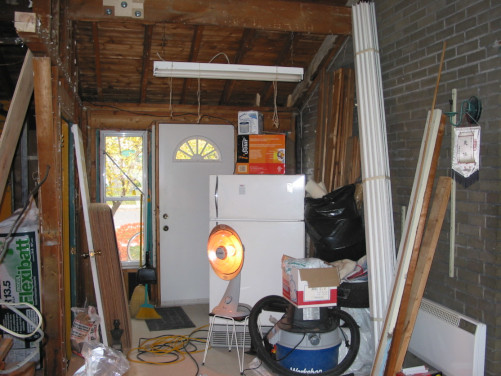
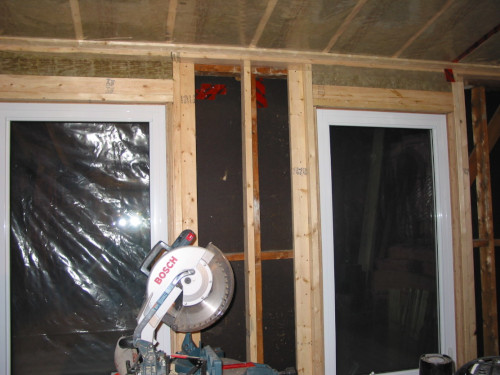
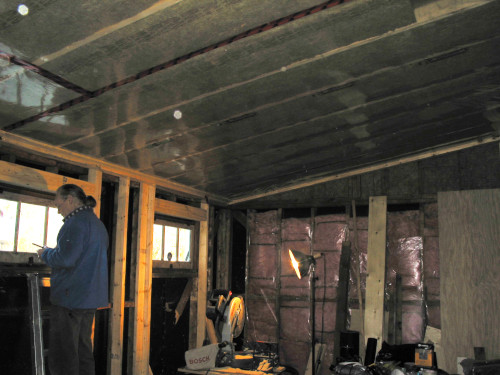
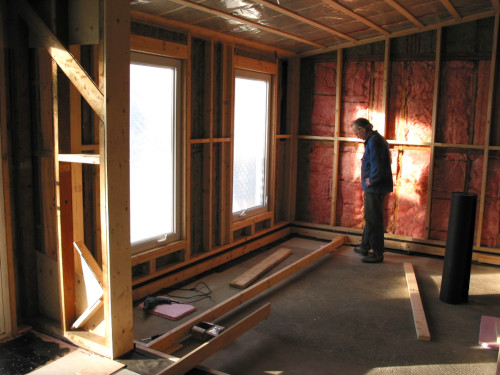
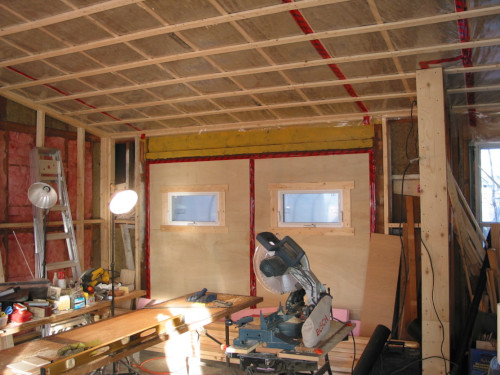
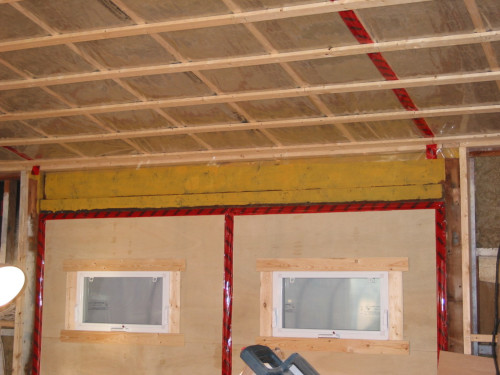
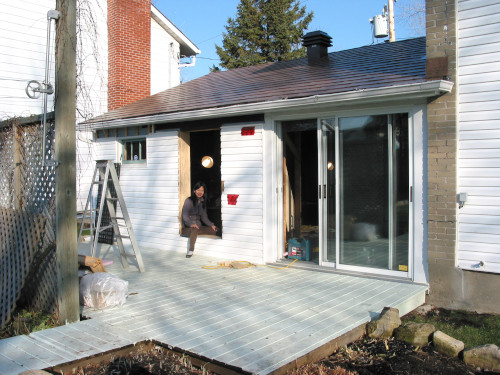
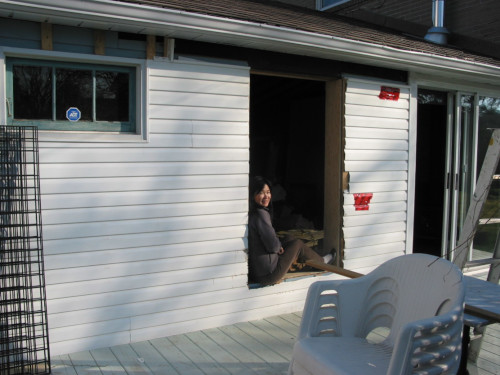
to enhance natural lighting and improve ventilation
Ngan Siu Mui Art School, Montreal, Quebec Canada
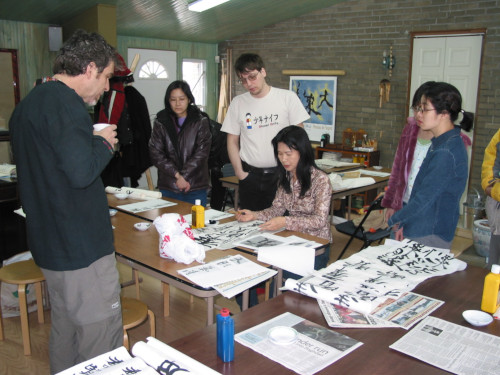
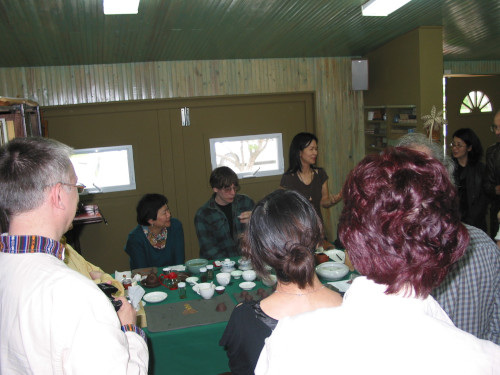
Classes and Gatherings in the Art Studio
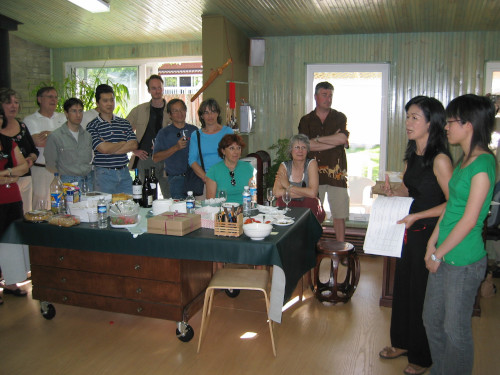
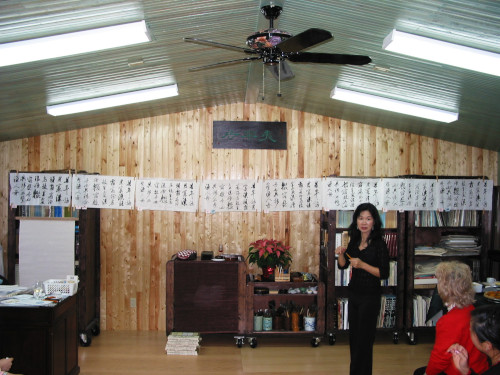
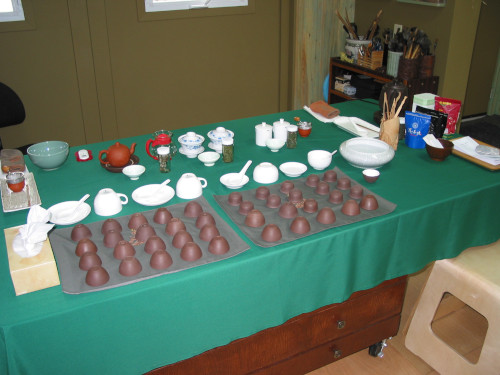
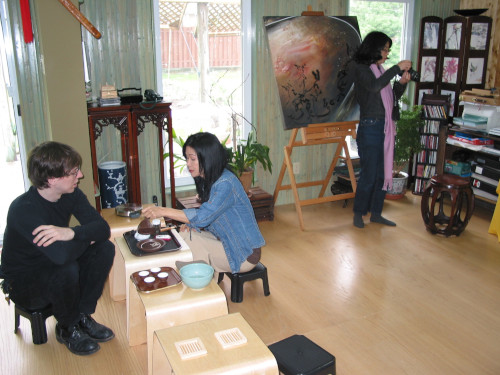
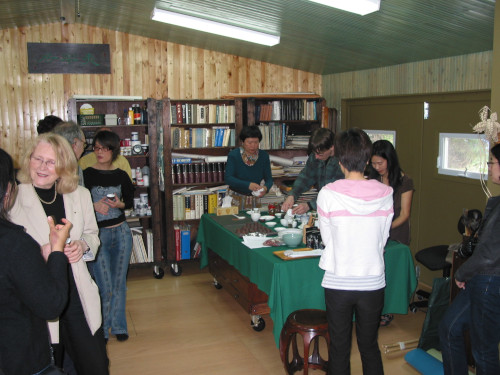
The storage shelves and worktable in the studio were mounted on wheels, allowing the space to be easily reconfigured for different events. Jean-Yves’s design and craftsmanship were impeccable.

 top of the page